Every spring, the same pattern returns for millions of people: the congestion, the itchy eyes, the sneezing, the fog. Every winter, the colds that circulate seem to find you first and linger longest. It can feel like bad luck, or simply how your body is.
But Ayurveda sees something more workable here — a picture of immunity and seasonal balance that can be strengthened, so that each season is met from resilience rather than vulnerability.
How Ayurveda Understands Immunity and Allergies
In Ayurveda, immunity is not a fixed trait you either have or lack. It is rooted in ojas — the same subtle essence of vitality that underlies energy and resilience — and in the strength of digestion that produces it. Strong ojas means a body that meets challenges, seasonal and otherwise, from a place of robustness. Depleted ojas means a body more easily overwhelmed. This is why immunity in Ayurveda is built, through digestion, nourishment, and balance, rather than simply defended.
Seasonal allergies, in Ayurvedic understanding, are closely tied to Kapha. Spring is the Kapha season: as winter's accumulated heaviness melts, Kapha liquefies and rises, producing exactly the congestion, mucus, heaviness, and runny symptoms that define spring allergies. The accumulation of ama — the residue of incomplete digestion — adds to this, creating a system primed to react. This is why two people in the same pollen-filled spring can have such different experiences: it is not only the pollen, but the internal terrain it meets.
Different allergic patterns carry different dosha signatures. Kapha-type allergies bring congestion, mucus, heaviness, and sluggishness. Pitta-type reactions bring heat, itching, redness, and inflammation. Vata-type reactions bring dryness, sneezing, and erratic symptoms. The seasonal cold-and-flu vulnerability that some people carry through winter points more toward depleted ojas and weakened digestion than toward any single exposure.
Understanding your own pattern — which dosha is driving your reactions, and where your immunity is running low — is where the Ayurvedic approach begins.
The Patterns Behind Allergies and Low Immunity
Seasonal struggles rarely show up alone. These are the connected patterns Ayurveda addresses together.
- Spring Allergy Congestion The seasonal congestion, runny nose, sneezing, and heaviness that arrive with spring. The classic Kapha-and-ama pattern this article centres on — addressed by reducing accumulation before the season and clearing it during.
- Frequent Colds and Slow Recovery Catching every bug that circulates, and taking longer than others to recover. A signal of depleted ojas and weakened digestion, addressed by rebuilding the body's reserves rather than only fighting each illness.
- Itchy Eyes, Heat, and Inflammation The hot, itchy, inflamed allergic reactions — eyes, skin, sinuses — that point toward a Pitta involvement, soothed through cooling support alongside immune work.
- Sinus Congestion and Heaviness Chronic or recurring sinus congestion, post-nasal drip, and a heavy-headed quality. Understood through Kapha accumulation in the channels of the head, addressed through clearing and lightening.
- Low Energy Through Cold Seasons The fatigue and depletion that deepen through winter and allergy season. Tied to the same ojas and digestion picture that underlies immunity itself.
- Reactions That Track the Seasons Symptoms that rise and fall with the turning of the year — worse in spring, or every winter, or at each seasonal transition.’ The clearest sign that seasonal balance, not just exposure, is at play.
The Ayurvedic Approach to Immune Resilience
Ayurvedic work with immunity and allergies has a distinctive strength: it is as much about preparation as response. Rather than only reacting once symptoms arrive, Ayurveda works to build resilience and reduce accumulation before each season, so the body meets it from strength. It begins with understanding your specific pattern — which dosha drives your reactions, and where your immunity is depleted. From there, the work typically includes several layers.
- Building ojas and immunity is the foundation. Because immunity rests on ojas and digestion, the core work strengthens both — nourishing foods, strong agni, adequate rest, and the reduction of what depletes vitality. A body with strong reserves simply meets seasonal challenges differently.
- Reducing accumulation before allergy season is one of Ayurveda's most valuable seasonal strategies. Because spring allergies build on the Kapha and ama that accumulate over winter, addressing that accumulation ahead of spring — through lightening foods, improved digestion, and gentle seasonal clearing — can change how the season lands. This is preparation, not reaction.
- Eating and living with the seasons — the principle of ritucharya — runs through it all. Adjusting food, routine, and practices as the seasons turn keeps the body aligned with its environment: lighter and clearing in Kapha spring, cooling in Pitta summer, grounding and warming in Vata autumn and winter.
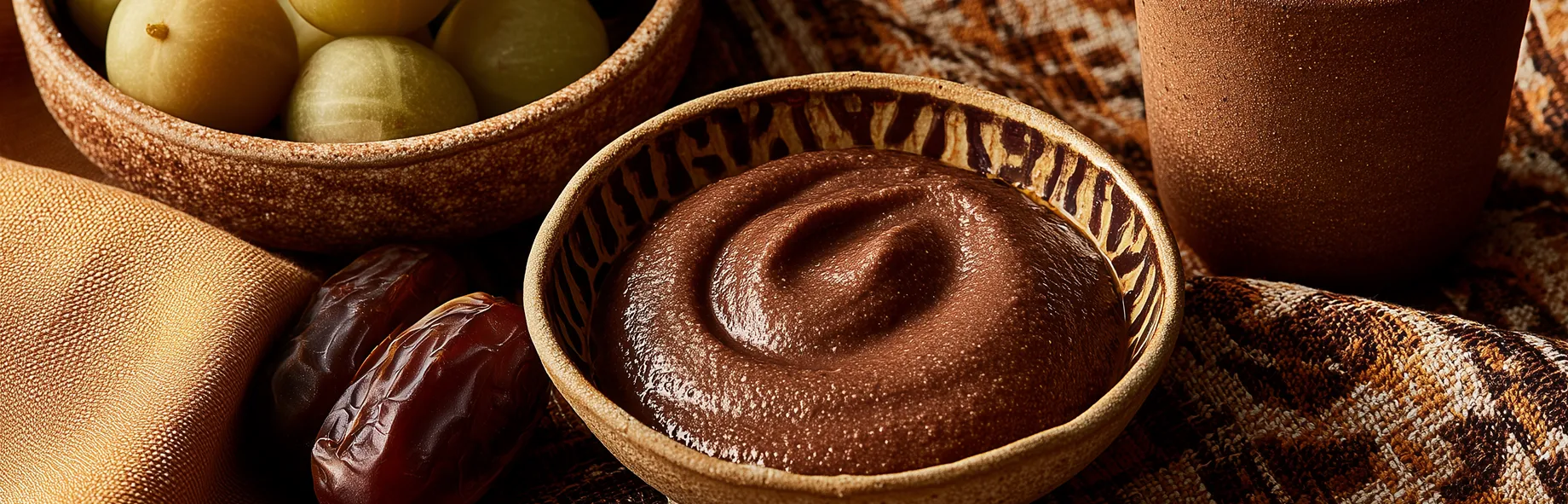
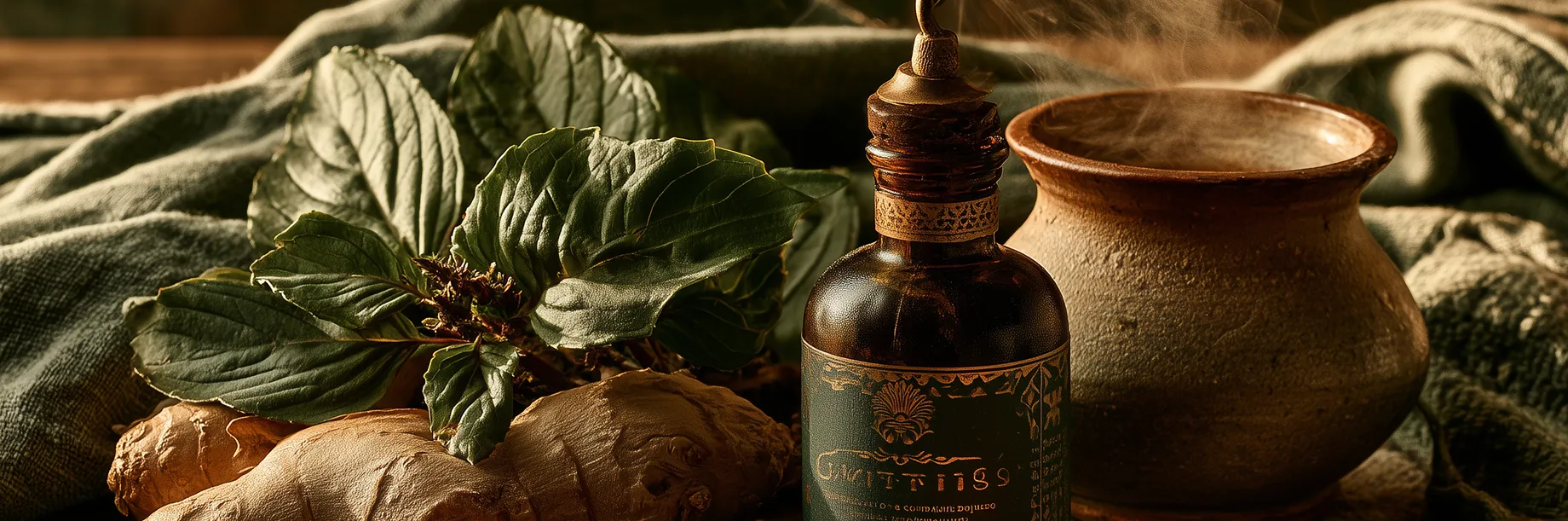
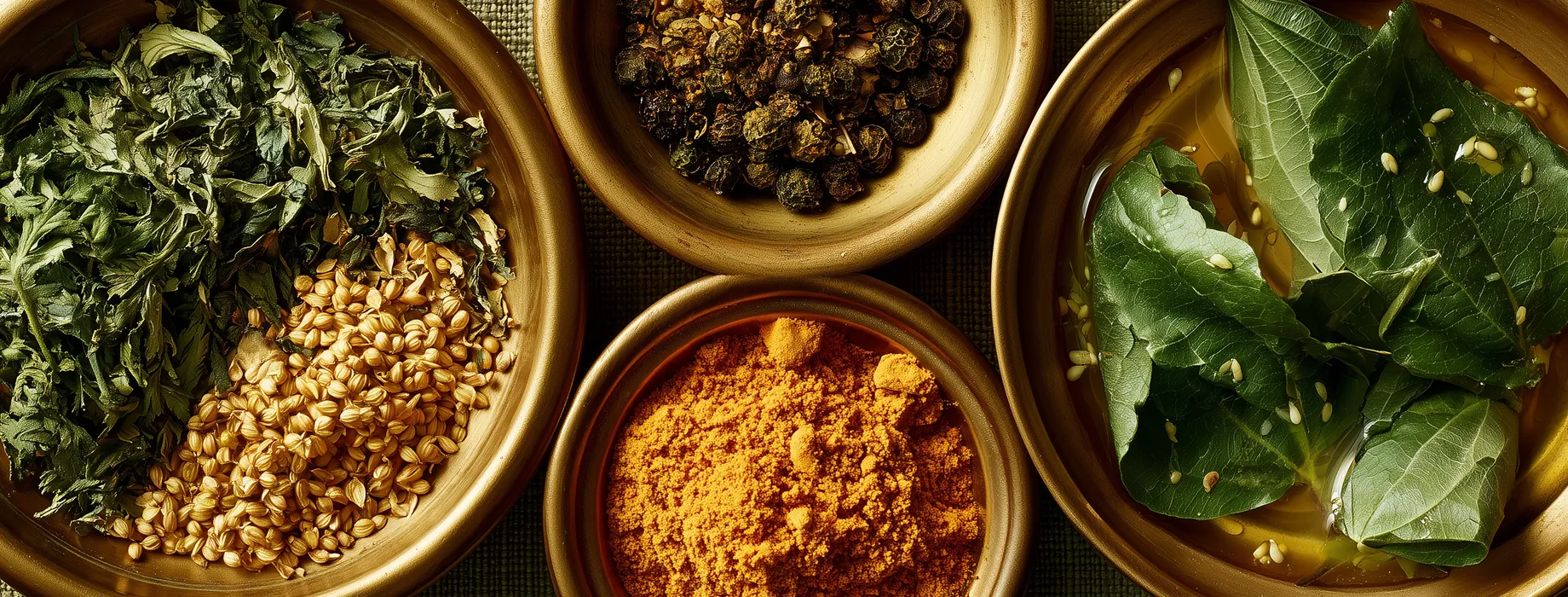
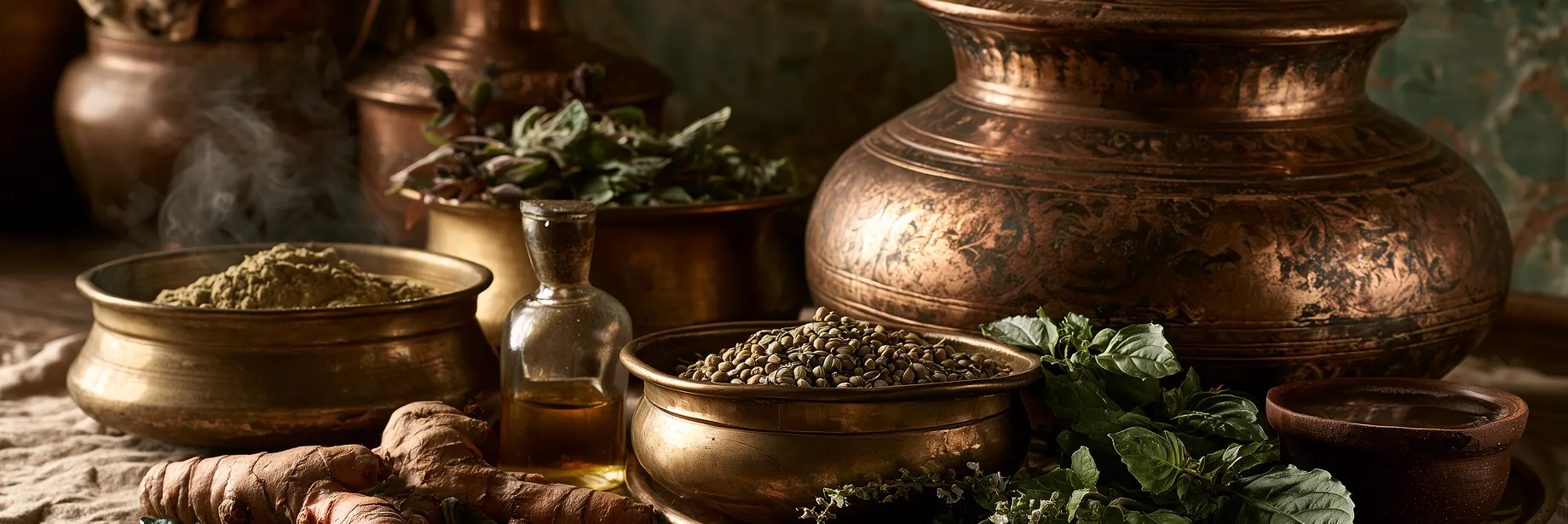
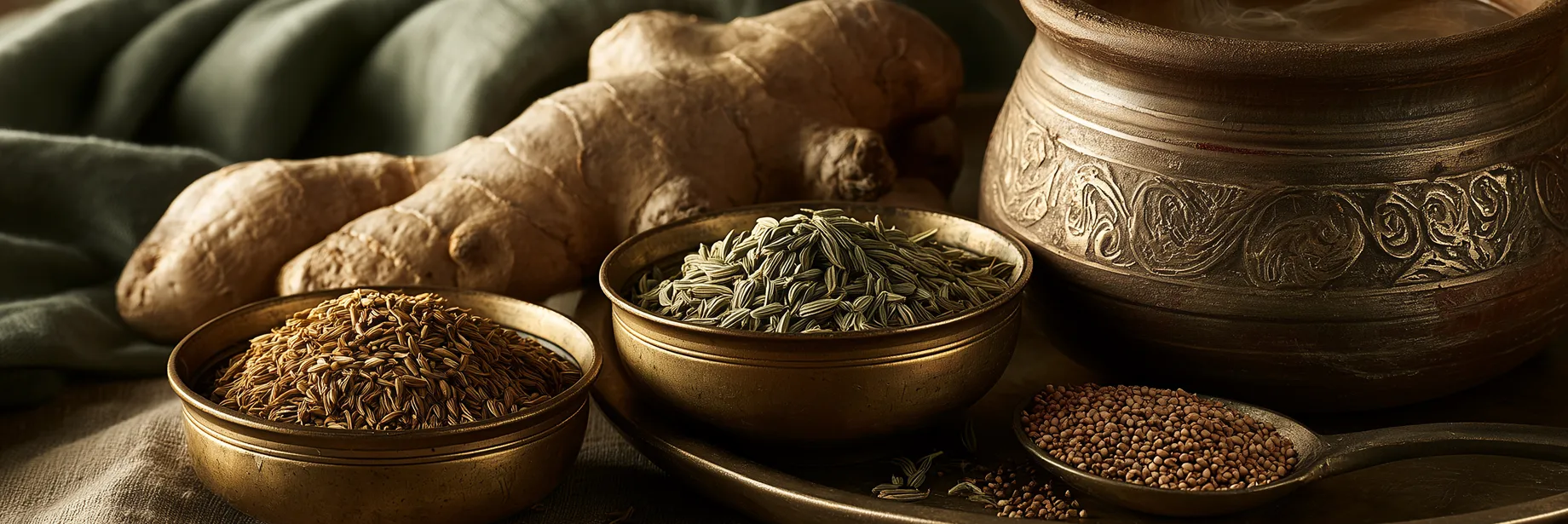
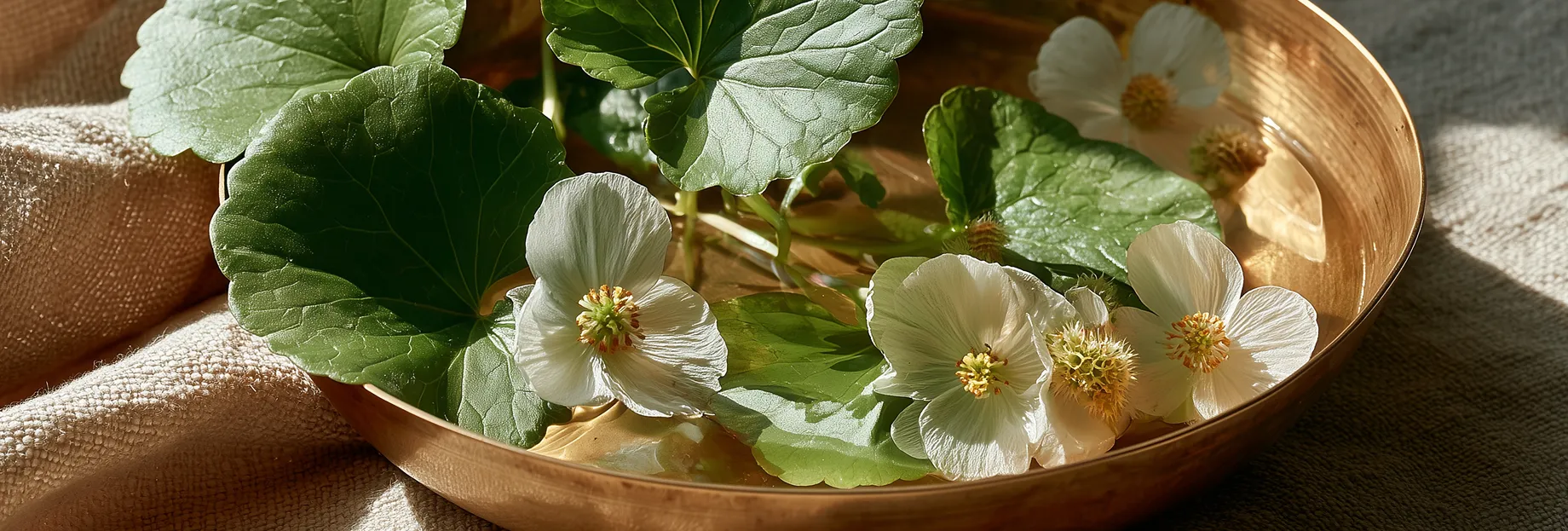
- Herbal support draws on traditional Ayurvedic preparations long used for immunity and seasonal balance — among them tulsi, guduchi, ashwagandha, turmeric, ginger, and chyawanprash — selected for your specific pattern. These are recommendations, not prescriptions, chosen for your individual picture.
- Daily practices support the channels and the immune terrain — among them warm, spiced preparations, practices that keep the sinuses and respiratory channels clear, and the daily rhythms that keep digestion and ojas strong.
Most people working with Ayurveda for immunity notice change across a season or two — easier allergy seasons, fewer colds, faster recovery, steadier energy through the cold months. This is seasonal, cumulative work, and it deepens year over year as resilience is genuinely built.
Closing line of section: This is one of the areas where Vaidya Vaishali's practice runs deepest. You can read more about how she works with Immune Resilience & Seasonal Wellness.
Immune Resilience & Seasonal Wellness
Working Alongside Your Doctor
Ayurvedic support for immunity and allergies is designed to complement, never replace, medical care. If you have significant allergies, asthma, a diagnosed immune condition, or are taking allergy or immune-related medication, please continue working with your physician. Severe allergic reactions in particular are a medical matter — if you have a history of serious allergic responses, your medical care and any prescribed emergency measures come first, always.
Many people find that, alongside their medical care, Ayurvedic dietary, seasonal, lifestyle, and herbal work supports a steadier, more resilient experience of the seasons. Vaidya Vaishali does not advise stopping or adjusting any medication; those decisions remain between you and your prescribing physician.
Where to Begin
If you recognise your own experience in this article, the starting point is understanding your specific pattern. Seasonal struggles look different from person to person — congested, inflamed, depleted — and the Ayurvedic approach depends entirely on which is driving yours.
A consultation with Vaidya Vaishali begins with a comprehensive picture of your constitution, your seasonal patterns, your digestion, your daily life, and your goals — and from there, a personalised wellness protocol shaped to your body.