PCOS is one of the most common reasons women seek out Ayurveda.
The irregular cycles, the weight that resists every effort, the skin and hair changes, the sense that something deeper is out of balance — these are patterns Ayurveda has studied for thousands of years, long before the term "polycystic ovary syndrome" existed.
What Ayurveda offers is not a quick fix, but a way of understanding why the imbalance developed, and a patient path back toward balance.
How Ayurveda Understands PCOS
Modern medicine describes PCOS as a hormonal and metabolic condition — irregular ovulation, elevated androgens, insulin resistance, and the cysts that give the syndrome its name. Ayurveda does not contradict this picture. It simply looks one layer deeper, asking a different question: what state of imbalance in the body allowed these patterns to develop?
In Ayurvedic understanding, PCOS is rarely a single-dosha issue. It most often involves a combination — disturbed Kapha creating heaviness, congestion, and metabolic sluggishness; aggravated Pitta driving inflammation and the heat that shows up in skin and mood; and underlying Vata disturbing the regularity of the cycle itself. Beneath these lies a weakened agni — the digestive fire — and the accumulation of ama, the metabolic residue that builds when digestion cannot keep pace.
This is why PCOS so often comes bundled with other patterns: weight that won't shift, sugar cravings, fatigue, acne, mood changes, and irregular or absent periods. In Ayurveda, these are not separate problems. They are different expressions of the same underlying imbalance — and addressing them means working at the metabolic and constitutional root, not chasing each symptom individually.
Because the dosha pattern differs from woman to woman, two people with the same PCOS diagnosis may need quite different paths back to balance. One woman's PCOS is driven primarily by Kapha-type metabolic heaviness; another's by Pitta-type inflammation; another's by the Vata-type irregularity layered on top. The Ayurvedic approach begins by understanding which pattern is yours.
The Patterns Behind PCOS
PCOS rarely shows up alone. These are the connected patterns Ayurveda addresses together.
- Irregular or Absent Cycles: The most defining feature — cycles that come unpredictably, stretch long, or disappear for months. In Ayurveda, the regularity of the cycle reflects the balance of all three doshas working together, and restoring it means addressing the whole picture.
- Weight: That Resists Weight gain, particularly around the midsection, that does not respond to conventional dieting. Often a Kapha-and-ama pattern, tied to the metabolic and insulin dynamics underneath PCOS — addressed through digestive and metabolic work rather than calorie restriction alone.
- Skin and Hair: Changes Acne (particularly along the jaw and chin), oily skin, unwanted hair growth, or thinning hair on the scalp. These reflect the hormonal and Pitta-related patterns of PCOS, and Ayurveda understands them as connected to the underlying pattern.
- Sugar Cravings and Energy: Crashes The cravings, the afternoon slumps, the energy that rises and falls unpredictably — signs of the metabolic and blood-sugar dynamics that Ayurveda addresses through food, rhythm, and herbal support.
- Mood and Emotional: Patterns Irritability, low mood, anxiety, or emotional intensity that moves with the cycle. Ayurveda understands these as part of the same hormonal picture, not separate concerns.
- Fertility: Concerns For women hoping to conceive, PCOS is one of the most common challenges. Ayurveda supports overall constitutional wellbeing during this time — always alongside, never instead of, medical fertility care.
The Ayurvedic Approach to PCOS
Ayurvedic work with PCOS is patient, foundational, and shaped to the individual. It begins with understanding your specific dosha pattern, your metabolic picture, your cycle history, and the way PCOS shows up in your particular body. From there, the work typically includes several layers.
- Dietary work sits at the centre: Because PCOS is so connected to digestion, metabolism, and blood sugar, food is one of the most powerful tools. This means warm, freshly prepared meals that support agni; reducing the heavy, cold, sweet, and processed foods that aggravate Kapha and ama; favouring the tastes and spices that support metabolic balance; and establishing meal rhythms that steady blood sugar.
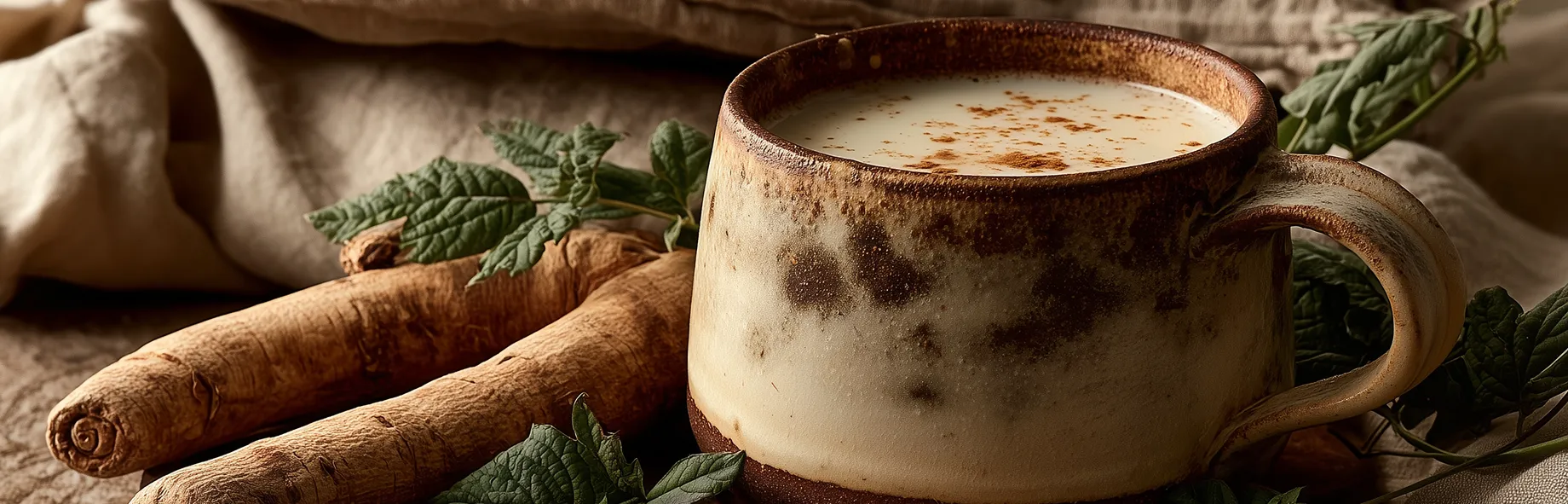
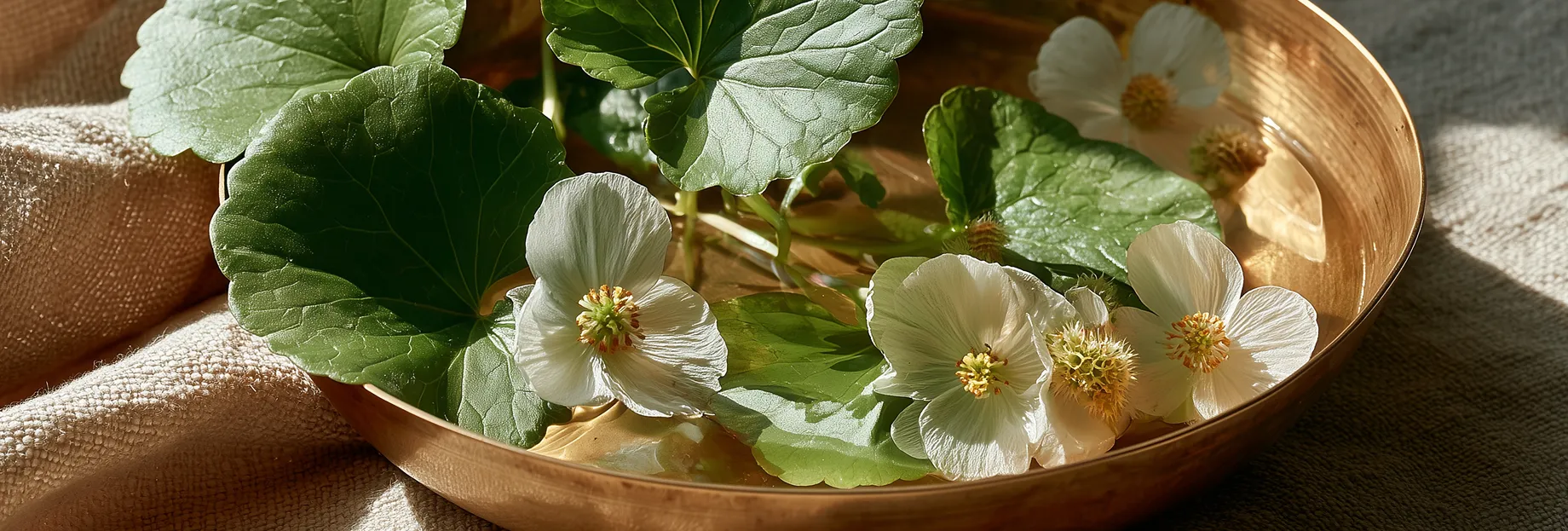
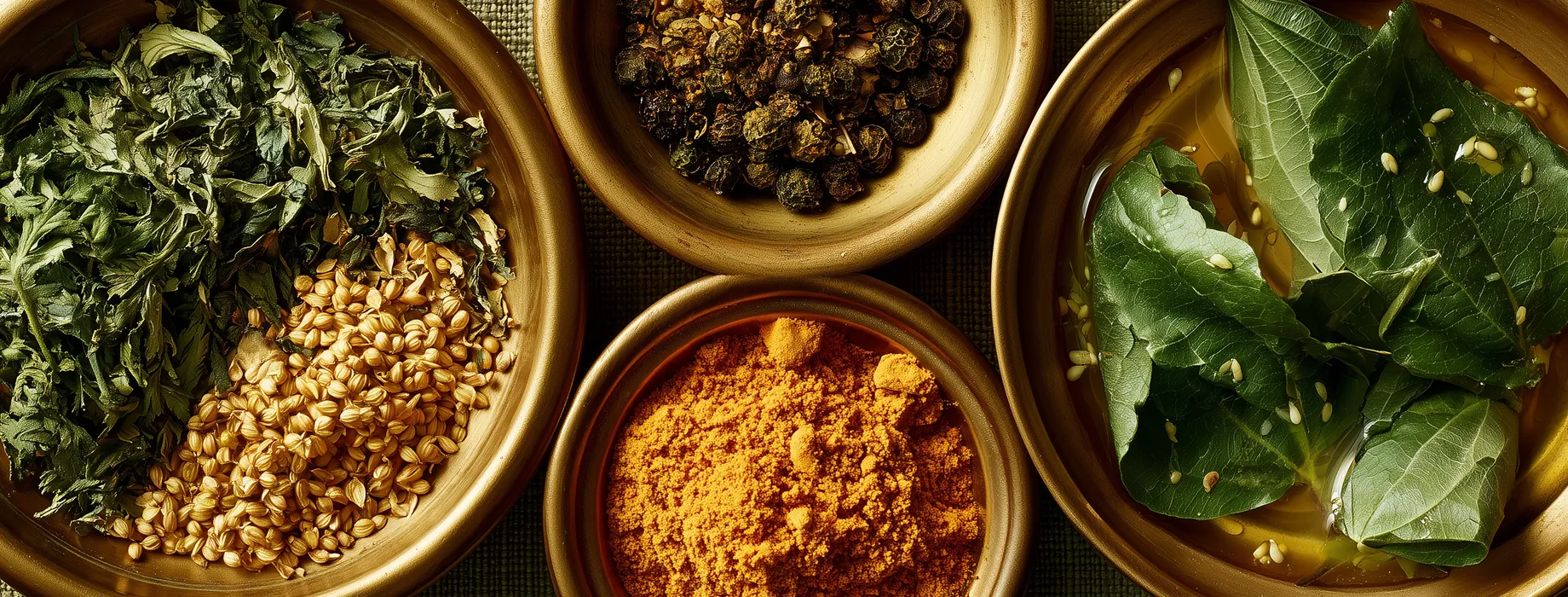
- Herbal support draws on traditional Ayurvedic formulations long used for women's hormonal and metabolic health — among them shatavari, ashoka, guduchi, turmeric, cinnamon, and triphala — selected based on your specific dosha pattern. These are recommendations, not prescriptions, and always chosen for your individual picture.
- Lifestyle and daily rhythm matter more in PCOS than many realise. Regular movement to support metabolism and reduce Kapha; sleep that supports hormonal regulation; stress reduction, since the nervous system and hormonal system are deeply linked; and the daily rhythms that bring the whole system back into order.
- Patience is part of the protocol: PCOS develops over years, and it rebalances over months. Most women working with Ayurveda for PCOS is gradual work. Many women describe feeling more steady and balanced over months of consistent practice. This is not a quick fix. It is a return to balance, at the pace the body can sustain.
This is one of the areas where Vaidya Vaishali's practice runs deepest.
You can read more about how she works with Women's Wellbeing & Hormonal Balance.
Women's Wellbeing & Hormonal Balance
Working Alongside Your Doctor
Ayurvedic support for PCOS is designed to complement, never replace, medical care. If you have been diagnosed with PCOS, are taking medication such as metformin or hormonal birth control, or are working with a gynaecologist, endocrinologist, or fertility specialist, please continue that care.
Many women find that Ayurvedic dietary, lifestyle, and herbal work strengthens the foundation their medical treatment rests on — supporting the metabolic and constitutional balance that medication alone cannot fully address. Vaidya Vaishali does not advise stopping or adjusting any medication; those decisions remain between you and your prescribing physician. If you are pursuing fertility treatment, Ayurvedic support runs alongside it, building constitutional strength rather than interfering with your medical path.
Where to Begin
If you recognise your own experience in this article, the starting point is understanding your specific pattern. PCOS looks different in every woman, and the Ayurvedic approach depends entirely on which dosha imbalances are driving yours.
A consultation with Vaidya Vaishali begins with a comprehensive picture of your constitution, your cycle, your metabolic patterns, and your goals — and from there, a personalised wellness protocol shaped to your body.