The extra strands on the pillow, in the shower drain, in the brush. Thinning at the part, a receding edge, a ponytail that has lost its weight. Hair loss touches something deeper than vanity — it touches how we feel in ourselves. The modern approach reaches first for topical fixes, and they have their place. But Ayurveda asks a different question: if hair is an expression of inner health, what is the thinning telling us? And what would it mean to address it at the root?
How Ayurveda Understands Hair Loss
In Ayurveda, hair is not separate from the body's deeper health. Hair is understood as a byproduct of asthi dhatu — the bone tissue — and closely tied to the quality of nourishment reaching the deepest tissues. This is a key insight: healthy hair reflects a well-nourished body, and thinning hair often signals that nourishment is not reaching where it needs to. Hair care, in Ayurveda, begins from the inside.
Hair loss is most strongly associated with Pitta. Pitta governs heat and transformation, and excess Pitta — from stress, intensity, inflammation, or overheating — is classically linked to premature thinning, early greying, and hair fall. This is why hair loss so often accompanies periods of high stress and burnout: the same internal heat that frays the nerves also affects the hair.
The other doshas play their parts. Vata-related hair tends toward dryness, brittleness, breakage, and frizz, reflecting the dry, light quality of aggravated Vata. Kapha-related concerns lean toward excess oil and scalp congestion. And beneath all of these sits agni — digestion — and ama. If digestion is weak and the deepest tissues are not nourished, hair is among the first things to weaken, because the body prioritises its vital functions over hair.
This is why Ayurveda treats hair loss as a whole-body matter. Stress, digestion, nourishment, hormonal balance, and dosha all feed into it. Topical care has value, but lasting change usually comes from addressing what is happening inside. Knowing which pattern is driving yours is where the approach begins.
The Patterns Behind Hair Loss
Hair thinning rarely shows up alone. These are the connected patterns Ayurveda addresses together.
Stress-Related Thinning Hair fall that follows periods of high stress, burnout, or emotional strain. The classic Pitta-and-depletion pattern — the same internal heat and exhaustion that drives burnout also shows in the hair. Addressed through cooling, grounding, and replenishment.
Dryness, Breakage, and Brittleness Hair that is dry, frizzy, brittle, and prone to snapping rather than falling from the root. A Vata pattern, pointing toward the need for internal and external nourishment and oiliness.
Premature Greying and Early Thinning Greying or thinning that arrives earlier than expected. Classically a Pitta signature of excess heat, addressed through cooling the system from within.
Scalp Oiliness and Congestion Excess oil, buildup, and a congested scalp environment. A Kapha pattern, addressed through balancing and clearing rather than only nourishing.
Hair That Follows Hormones Thinning that tracks with hormonal change — postpartum, perimenopause, thyroid shifts, or conditions like PCOS. Ayurveda addresses these alongside the hormonal picture, never instead of medical care.
Hair That Reflects Depletion Thinning that comes with fatigue, poor digestion, or recovery from illness or stress — a sign that the body's reserves and deepest tissues are not being nourished, and that hair is signalling a deeper depletion.
The Ayurvedic Approach to Hair Health
Ayurvedic work with hair loss combines internal nourishment with external care — but it leads with the internal, because that is where lasting change comes from. It begins with understanding your specific pattern: how much is Pitta heat, how much is Vata dryness, how much is depletion or hormonal. From there, the work typically includes several layers.
Nourishing from within is the foundation. Because hair reflects the nourishment of the deepest tissues, the core work strengthens digestion (agni) so that nourishment actually reaches the hair, and includes the foods and nutrients that support strong hair, scalp, and tissue health. For many people, this internal nourishment shifts hair health more than any topical product.
Cooling and calming Pitta matters for the most common pattern. Since hair loss is so often Pitta-driven, reducing internal heat — through cooling foods, stress reduction, and calming the system — directly supports the hair. This is also why stress work and hair work so often go together.
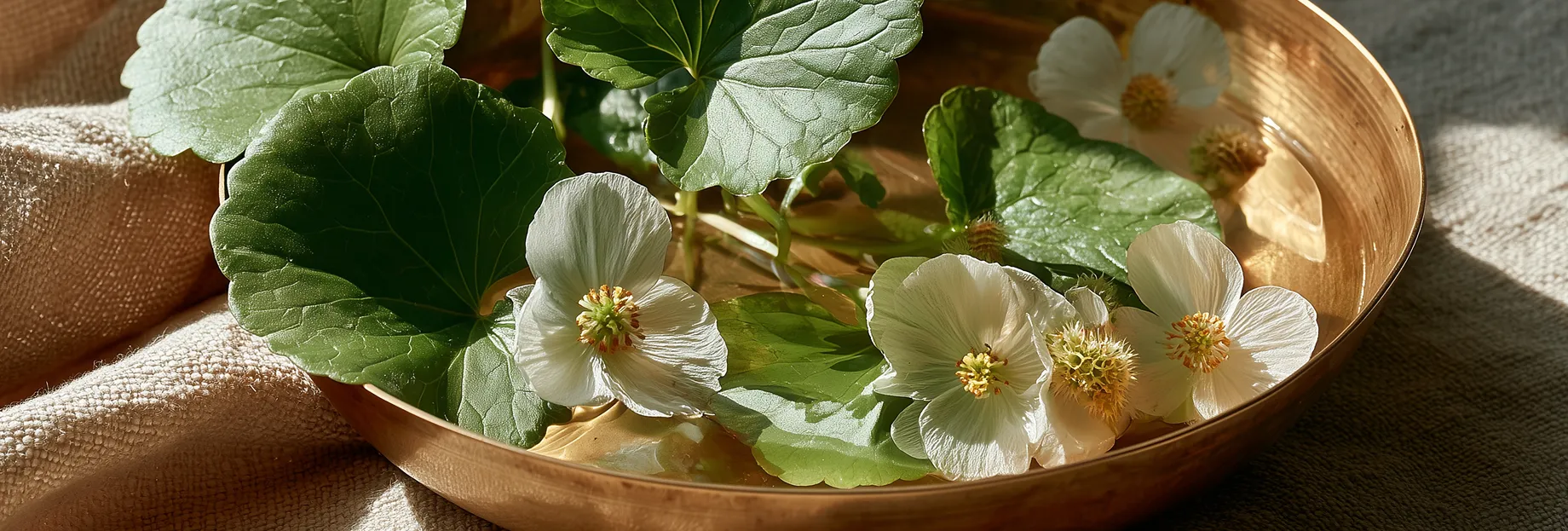
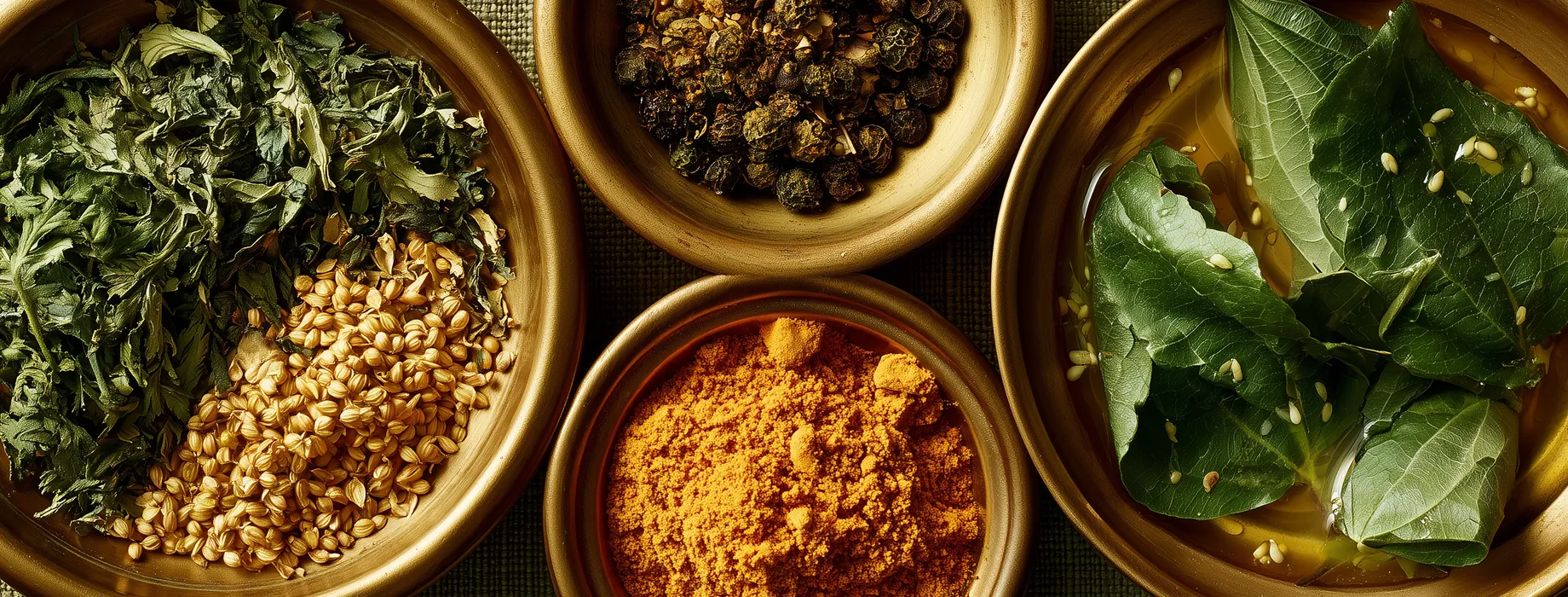
External care has a rich Ayurvedic tradition. Warm oil scalp massage — shiroabhyanga — with traditional hair oils is one of the most valued practices, bringing circulation, nourishment, and calm to the scalp. Oils such as those infused with bhringraj, amla, brahmi, and neem are classically used. This external care complements internal balance rather than replacing it.
Herbal support draws on traditional Ayurvedic preparations long used for hair and the tissues beneath it — among them bhringraj, amla, brahmi, and nourishing Rasayanas — selected for your specific pattern, working both internally and topically. These are recommendations, not prescriptions, chosen for your individual picture.
Stress and lifestyle carry real weight here, because the Pitta heat and depletion that drive hair loss are so often rooted in how we live. Sleep, stress reduction, and steady rhythm support the hair as surely as any oil.
Hair grows slowly, and so hair work asks for patience. Because the hair growth cycle is long, meaningful change typically takes three to six months of consistent internal and external work to become visible, sometimes longer. This is steady, root-level work — never an overnight fix, but a genuine restoration of the conditions hair needs to thrive.
Hair health connects closely to skin, digestion, and stress — areas where Vaidya Vaishali's practice runs deep. You can read more about how she works with Skin Radiance & Natural Detoxification.
Skin Radiance & Natural Detoxification
Working Alongside Your Doctor
Ayurvedic support for hair health is designed to complement, never replace, medical care. Hair loss can have many causes that need proper medical evaluation — among them thyroid imbalance, iron and nutritional deficiencies, hormonal conditions such as PCOS, autoimmune conditions, certain medications, and genetic patterns of hair loss. If your hair loss is sudden, patchy, severe, or accompanied by other symptoms, please see a physician or dermatologist to identify the cause. This is an important first step.
Many people find that, alongside their medical care, Ayurvedic dietary, lifestyle, stress, and herbal work supports the internal conditions that healthy hair depends on. Vaidya Vaishali does not advise stopping or adjusting any medication or prescribed treatment; those decisions remain between you and your prescribing physician or dermatologist.
Where to Begin
If you recognise your own experience in this article, the starting point is understanding your specific pattern. Hair loss looks different from person to person — heat-driven, dry, depleted, or hormonal — and the Ayurvedic approach depends entirely on which is driving yours.
A consultation with Vaidya Vaishali begins with a comprehensive picture of your constitution, your digestion, your stress and hormonal patterns, your hair history, and your goals — and from there, a personalised wellness protocol shaped to your body.