Explore This Focus

The Ayurvedic Approach

Certified Excellence

NAMA • AAC • AAPNA Member

Proven Expertise

12+ Years Clinical Practice

Global Trust

Serving Clients on 3 Continents
A 5,000-year-old system of wellbeing, applied with care to the body and life in front of us.

Ayurveda is not a single technique. It is a way of seeing — one that recognises every body, every mind, and every season as part of a living, changing whole.
A 5,000-year-old system of wellbeing. Not a technique — a way of seeing the whole person.
Discover Your Dosha

Certified Excellence

NAMA • AAC • AAPNA Member

Proven Expertise

12+ Years Clinical Practice

Global Trust

Serving Clients on 3 Continents

Certified Excellence

NAMA • AAC • AAPNA Member

Proven Expertise

12+ Years Clinical Practice

Global Trust

Serving Clients on 3 Continents

The Knowledge of Life

Four principles that have guided Ayurvedic practice for more than five thousand years.

Living Tradition

Originating in India over five millennia ago, Ayurveda remains a living science — taught at university level, regulated by the Government of India through the Ministry of AYUSH, and practised by trained Vaidyas across the country.
Read more

Unique Constitution

Each person is born with a unique constitution — a particular balance of energies, tendencies, and qualities. Wellbeing means living in alignment with that nature, not in pursuit of a generic ideal. Two people with the same complaint may need entirely different paths.
Read more

Whole-Life Framework

Ayurveda connects diet, sleep, daily routine, emotional life, seasonal rhythm, and mental wellbeing into one coherent picture — a body of knowledge built not on trend, but on five millennia of refinement. Everything is related. Nothing is treated in isolation.
Read more

Root Cause

Ayurveda connects diet, sleep, daily routine, emotional life, seasonal rhythm, and mental wellbeing into one coherent picture — a body of knowledge built not on trend, but on five millennia of refinement. Everything is related. Nothing is treated in isolation.
Read more
Beyond the Surface — the Root-Cause Approach

Listening to What the Body Is Saying

Eight areas of dedicated practice, rooted in tradition and shaped by years of clinical experience
Modern wellness asks:
What is the issue — and how do we relieve it?
Ayurveda asks:
What gave rise to this — and what is it telling us?
A persistent headache, sluggish digestion, restless sleep, an irritated skin patch — Ayurveda reads these not as problems to suppress, but as signals. They are the body’s way of communicating where balance has been lost.

The work, then, is not to silence the signal. It is to listen to it carefully, trace it back to the imbalance behind it, and respond at the level of the cause rather than the surface.
"The same symptom in two people often has entirely different reasons behind it. Listening for that difference — and understanding what it's telling us — is where truly personalised Ayurvedic care begins."
This is what we mean by root-cause care. It is slower than quick fixes, and it asks more of you — but it is also more lasting.

Most clients who come to Vaidya Vaishali have already tried the faster routes. They are here because they sense — often correctly — that something deeper is asking for attention.

The Architecture
of You

Three Energies, Two States, One Unique Constitution — the framework Ayurveda uses to understand each person.

The Doshas

At the centre of Ayurvedic understanding are three biological energies — the Doshas — that shape every body, every mind, and every season.
Air & Space
Vata governs movement — breath, circulation, the rhythms of the nervous system, the impulses of thought.

People with strong Vata tend toward lightness, creativity, quick thinking, and a love of change.

When Vata is balanced, there is vitality and inspiration. When in excess, it can show up as restlessness, dryness, irregular digestion, or difficulty sleeping.
Qualities
Dry, Light, Cold, Mobile, Subtle, Rough
Read more

Vata

Fire & Water
Pitta governs transformation — digestion, metabolism, the conversion of experience into understanding.

People with strong Pitta tend toward focus, ambition, sharpness, and warmth.

When balanced, Pitta brings clarity and confidence. In excess, it can manifest as intensity, inflammation, heat, or perfectionism.
Qualities
Hot, Sharp, Oily, Light, Intense, Focused
Read more

Pitta

Earth & Water
Kapha governs structure and stability — the body’s tissues, its strength, its capacity for endurance and steadiness.

People with strong Kapha tend toward calm, loyalty, patience, and groundedness.

When balanced, Kapha brings ease and resilience. In excess, it can show up as heaviness, sluggishness, or emotional stagnation.
Qualities
Heavy, Slow, Cool, Oily, Smooth, Stable
Read more

Kapha

Prakriti & Vikriti

Together with the concepts of Prakriti and Vikriti, they form the foundation of how a Vaidya understands you.

Prakriti

Your Natural Constitution
Prakriti is the constitutional pattern you were born with — the unique balance of Vata, Pitta, and Kapha that shapes your physical build, your temperament, your tendencies, and the way you move through the world.
Prakriti is fixed at birth. It is who you are at your essence.

Vikriti

Your Current State
Vikriti is the state of imbalance you may be experiencing right now — the way stress, environment, lifestyle, or season has pushed you out of alignment with your nature.
Vikriti changes. It is what life has done to your essence.
Understanding both is where Ayurvedic care begins. Not a template adjusted at the edges — a path built from the ground up around who you are.
Curious about your own constitution?
Take the Dosha Quiz
The Six Tastes & Food as Medicine

How Food Becomes
Medicine

In Ayurveda, food is understood through taste — and every taste carries an effect. The six tastes each have specific qualities that influence the doshas, the digestive fire, and the body's tissues.

A balanced meal contains all six. This is why two clients may receive very different dietary recommendations — and why generic diets so often fail to bring lasting change.
Madhura

Sweet

Building, Grounding, Nourishing Tissues
Dosha effect:
↓ Vata, Pitta  ·  ↑ Kapha
The most nourishing of all tastes. Sweet foods build tissues, calm the nervous system, and provide grounding energy. Think grains, root vegetables, dairy, and natural sugars
Amla

Sour

Stimulating Digestion, Sparking Appetite
Dosha effect:
↓ Vata  ·  ↑ Pitta, Kapha
Sour taste enkindles the digestive fire, stimulates salivation, and sharpens the appetite. Found in citrus, fermented foods, and certain fruits.
Lavana

Salty

Softening, Moistening, Aiding Absorption
Dosha effect:
↓ Vata, Pitta  ·  ↑ Kapha
Salt enhances all other flavours, softens tissues, and supports the absorption of nutrients. Natural salts found in sea vegetables, mineral-rich foods.
Tikta

Bitter

Cooling, Drying, Clearing Accumulation
Dosha effect:
↓ Pitta, Kapha  ·  ↑ Vata
The most depleted taste in modern diets. Bitter clears heat, detoxifies, and reduces accumulation. Found in leafy greens, turmeric, and bitter melon.
Katu

Pungent

Heating, Sharpening, Awakening
Dosha effect:
↓ Kapha · ↑ Vata, Pitta
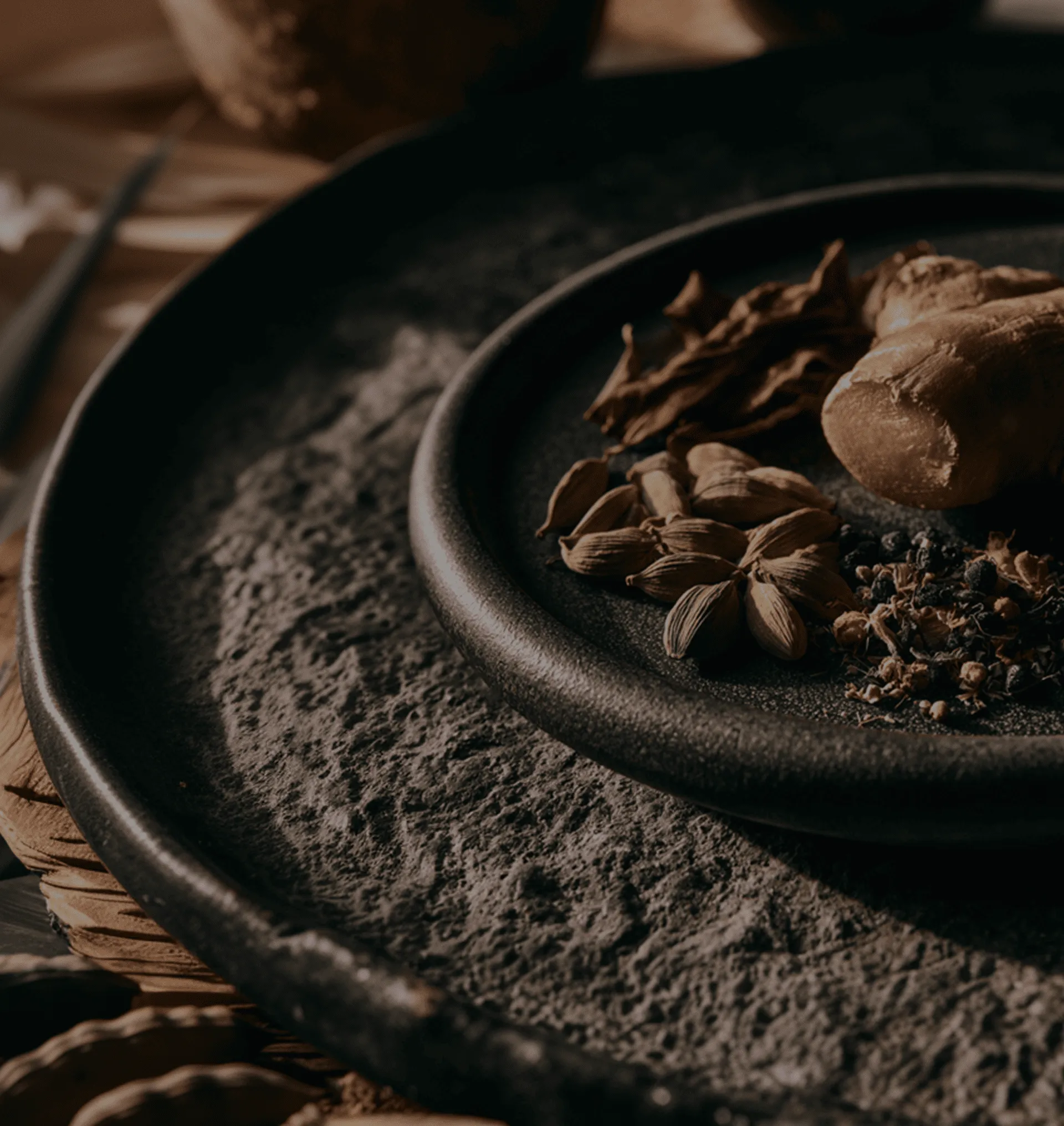
Pungent taste stokes digestive fire, clears congestion, and stimulates circulation. Found in ginger, black pepper, chillies, and mustard seeds
Kashaya

Astringent

Toning, Drying, Drawing Inward
Dosha effect:
↓ Pitta, Kapha  ·  ↑ Vata
Astringent taste tones tissues, reduces excess moisture, and promotes absorption. Found in lentils, pomegranate, unripe banana, and most beans.
1
/ 6
Madhura

Sweet

Building, Grounding, Nourishing Tissues
Dosha effect:
↓ Vata, Pitta  ·  ↑ Kapha
The most nourishing of all tastes. Sweet foods build tissues, calm the nervous system, and provide grounding energy. Think grains, root vegetables, dairy, and natural sugars
Amla

Sour

Stimulating Digestion, Sparking Appetite
Dosha effect:
↓ Vata  ·  ↑ Pitta, Kapha
Sour taste enkindles the digestive fire, stimulates salivation, and sharpens the appetite. Found in citrus, fermented foods, and certain fruits.
Lavana

Salty

Softening, Moistening, Aiding Absorption
Dosha effect:
↓ Vata, Pitta  ·  ↑ Kapha
Salt enhances all other flavours, softens tissues, and supports the absorption of nutrients. Natural salts found in sea vegetables, mineral-rich foods.
Tikta

Bitter

Cooling, Drying, Clearing Accumulation
Dosha effect:
↓ Pitta, Kapha  ·  ↑ Vata
The most depleted taste in modern diets. Bitter clears heat, detoxifies, and reduces accumulation. Found in leafy greens, turmeric, and bitter melon.
Katu

Pungent

Heating, Sharpening, Awakening
Dosha effect:
↓ Kapha · ↑ Vata, Pitta
Pungent taste stokes digestive fire, clears congestion, and stimulates circulation. Found in ginger, black pepper, chillies, and mustard seeds
Kashaya

Astringent

Toning, Drying, Drawing Inward
Dosha effect:
↓ Pitta, Kapha  ·  ↑ Vata
Astringent taste tones tissues, reduces excess moisture, and promotes absorption. Found in lentils, pomegranate, unripe banana, and most beans.
Dinacharya

The Daily Rhythm of Ayurvedic Living

Beyond food, Ayurveda is built on dinacharya — the daily routine. The body thrives in rhythm. Random meal times, irregular sleep, unpredictable mornings — these quietly erode balance. Alignment with nature's clock restores it.

Dinacharya is not about adopting an ancient routine wholesale. It is about identifying the specific rhythms your constitution needs — and adapting them to the realities of your life.
Madhura

Morning

Dawn — 10am
Kapha hour
The most important part of the Ayurvedic day. Rising before sunrise, clearing the body, and preparing the mind sets the tone for everything that follows.
Tongue scraping, Oil pulling, Warm water, Breathwork, Light movement
Madhyahna

Midday

10am — 2pm
Pitta hour
Pitta is strongest at midday — digestive fire peaks. This is the time for the largest meal of the day, and for focused, purposeful work.
Main meal, Focused work, No heavy snacking, Brief rest if needed
Aparahna

Afternoon

2pm — 6pm
Vata hour
Vata rises in the late afternoon — creativity peaks but so does tendency toward depletion. Light activity, lighter snacks, and winding down support balance.
Light snack if needed, Creative work, Gentle walk, Begin unwinding
Ratri

Evening

6pm — Sleep
Kapha hour
The evening is for digestion, reflection, and preparation for sleep. Light meals, warm oil massage, and early rest allow the body to repair and restore.
Light early dinner, Oil massage, No screens, Warm milk, Early sleep
Ritucharya

Living With the Seasons

The seasons shape the doshas just as they shape the world around us. Ritucharya recognises that the body's needs shift throughout the year — and that wellbeing means moving with these shifts, not against them.

Working with the seasons is one of the most accessible places to begin Ayurvedic living — and one of the most transformativ
Hemanta
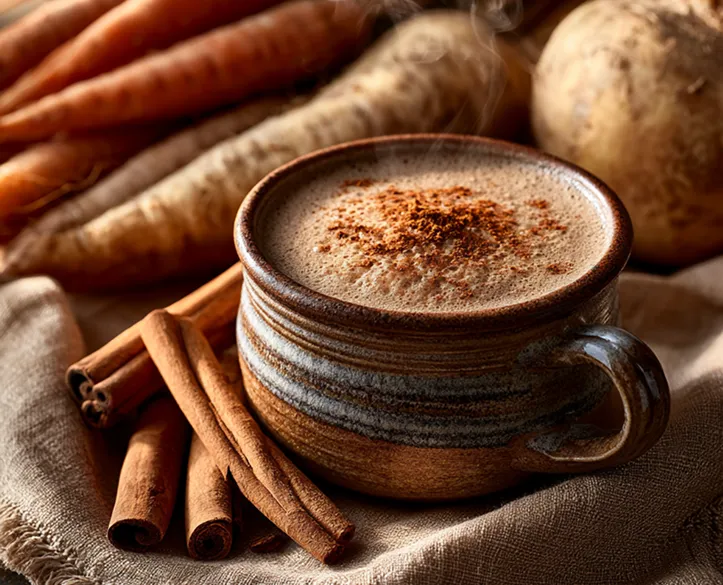
Warming foods · Longer sleep · Oily massage · Root vegetables · Spiced drinks

Winter

Kapha rising
Vasanta
Lighter meals · Bitter greens · Movement · Early rising · Dry brushing

Spring

Kapha clearing
Grishma
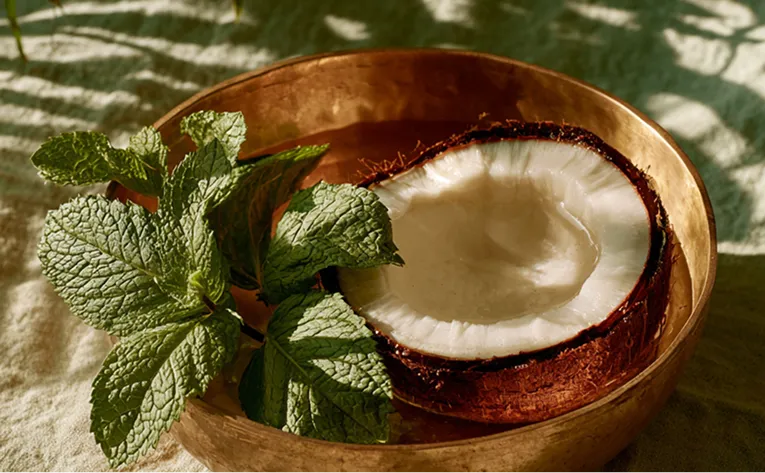
Cooling foods · Hydration · Lighter meals · Rest midday · Coconut & mint

Summer

Pitta rising
Sharad
Warm foods · Sesame oil · Early bedtime · Gentle movement

Autumn

Vata rising
1
/ 4
Hemanta
Warming foods · Longer sleep · Oily massage · Root vegetables · Spiced drinks

Winter

Kapha rising
Vasanta
Lighter meals · Bitter greens · Movement · Early rising · Dry brushing

Spring

Kapha clearing
Grishma
Cooling foods · Hydration · Lighter meals · Rest midday · Coconut & mint

Summer

Pitta rising
Sharad
Warm foods · Sesame oil · Early bedtime · Gentle movement

Autumn

Vata rising

The understanding is the beginning

When you are ready to move from reading to working, a consultation is where that starts.
Request a Consultation
Your Wellness Journey

Your Personalized Path Forward

Eight areas of dedicated practice, rooted in tradition and shaped by years of clinical experience
Discovery
(01)

Comprehensive Assessment

A detailed wellness questionnaire forms the foundation, gathering the full picture of your constitution and lifestyle.
(02)

Private Video Consultation

An in-depth session with Vaidya Vaishali, conducted via Zoom, Google Meet, or WhatsApp.
(03)

Individualized
Wellness Plan

A personalized protocol shaped around your constitution, daily rhythm, and current state of balance.
(04)

Herbal & Lifestyle Guidance

Clear recommendations for trusted herbal preparations, dietary direction, and supportive daily practices.
(05)

Ongoing Guidance

Follow-up consultations to refine the plan and support your long-term progress.
1
/ 5 steps
01
step
Comprehensive Assessment
02
step
Private
Video Consultation
03
step
Individualized
Wellness Plan
04
step
Herbal &
Lifestyle Guidance
05
step
Ongoing
Guidance
An Important Question

Ayurveda Alongside Modern Medicine

A question many clients ask — and an important one to answer clearly.

Ayurveda is not in opposition to modern medicine. The two systems work in different ways, with different strengths, and the most considered approach to wellbeing often draws from both.
"Not in opposition — in conversation. Each doing what it does best."

Modern Medicine

Excels in:
Acute care & emergency intervention
Surgical precision
Diagnostic technology
Management of serious disease

Ayurveda

Excels in:
Constitutional balance & lifestyle medicine
Slow, foundational wellbeing work
Digestive & seasonal health
Supporting the body's own intelligence

Vaidya Vaishali's approach

Vaidya Vaishali always recommends that her clients continue working with their primary healthcare provider. Where conventional medical care is appropriate, she will refer.

Her Ayurvedic recommendations are designed to complement medical treatment, never replace it.
A question clients often ask is whether Ayurvedic preparations can be taken alongside prescription medication. In many cases they can, often spaced about an hour apart — but this depends on your specific medications, so always confirm with your physician or pharmacist before combining anything with your prescriptions.
This is not a position of compromise — it is the position of every responsible practitioner.